In today's manufacturing landscape, understanding how machining automation improves production output is crucial. Experts like John Smith, a leading figure in industrial engineering, emphasize the significance of automation. He states, “Automation not only increases speed but also enhances precision in machining processes.” This claim highlights the foundational changes automation brings to traditional manufacturing practices.
Machining automation transforms production mechanics. Machines operate continuously, minimizing downtime and boosting overall efficiency. When implemented effectively, automation can reduce human error. However, challenges occur during the transition phase. Workers may require training to adapt.
Moreover, the initial investment in technology can be substantial. Businesses must weigh these costs against potential gains in output. Over time, the benefits often outweigh the challenges. Understanding the balance of these factors is essential for manufacturers aiming for growth and sustainability. Thus, exploring how machining automation improves production output remains a vital discussion in the industry.
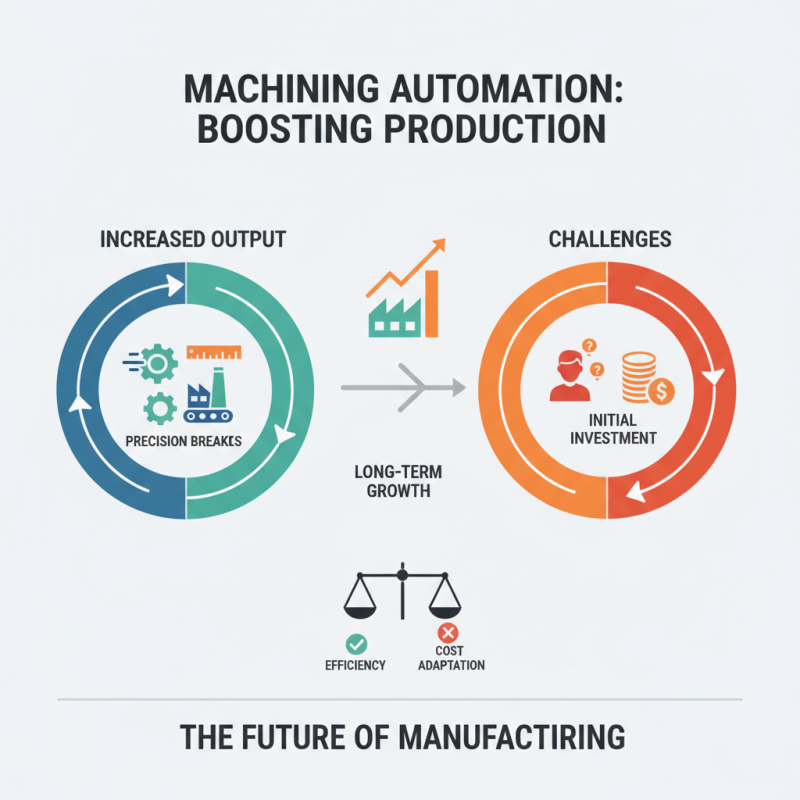
Machining automation plays a critical role in modern manufacturing. By integrating advanced technology, companies improve production efficiency and consistency. This shift reduces human error, ensuring precision in complex tasks. Automated machines operate continuously, increasing output significantly compared to traditional methods. This capability allows manufacturers to meet rising demand effectively.
However, incorporating automation has challenges. Initial costs can be high, and training is essential for workforce adaptation. The transition period may disrupt operations. Companies must be prepared for these adjustments. Balancing automation with skilled labor remains crucial.
Understanding machining automation requires ongoing education and adaptation. As technology evolves, so must strategies for implementation. Reflecting on these aspects can reveal areas for improvement. By embracing both the benefits and challenges, manufacturers can optimize their processes. With a flexible approach, the future of machining looks promising.
Machining automation is transforming the manufacturing landscape. Technological advancements in robotics, artificial intelligence, and data analytics play significant roles in this evolution. These innovations improve precision and reduce errors, which are vital in high-stakes environments. Robots can now adapt to different tasks with minimal reprogramming, ensuring flexibility in production lines.
Tips: Regular training sessions for operators are essential. This keeps teams updated on the latest automation technologies. Monitoring system performance helps in identifying areas for improvement.
Data analytics is another crucial factor. It allows manufacturers to predict maintenance needs before breakdowns occur. By leveraging real-time data, businesses can optimize machine usage, resulting in better output and efficiency. However, reliance on data must be balanced; overthinking can lead to analysis paralysis.
Tips: Foster a culture of continuous improvement. Encourage employees to suggest ways to enhance automation processes. Gathering feedback can lead to unexpected yet valuable insights.
Automation significantly enhances production efficiency in machining environments. By implementing automated systems, companies can streamline their processes, reducing cycle times. Machines perform tasks like cutting, drilling, and milling with increased speed and precision. This allows for a higher output in shorter timeframes, effectively increasing throughput.
However, automation is not without its challenges. Initial setup costs can be high, which may deter some manufacturers. Moreover, there is a learning curve for staff to adapt to new technology. It’s crucial to balance the benefits of automation with these potential drawbacks. Workforce training and gradual integration can help mitigate these issues.
Ultimately, while automation offers clear advantages in production efficiency, it requires thoughtful implementation. Continuous assessment of automated systems can uncover areas for improvement. Striking a balance between technology and human expertise can lead to a more reliable production process.
Machining automation has transformed production in numerous industries. Many companies have integrated automated systems to enhance efficiency. In one case, a mid-sized manufacturer adopted robotic arms for repetitive tasks. This allowed human workers to focus on more complex operations. As a result, the company reported a 30% increase in overall output within six months.
Another example involves a facility that implemented automated CNC machines. Initially, operators faced challenges due to technical glitches. However, with training and adjustments, productivity surged. After a year, they achieved a 50% reduction in production time. These machines, while efficient, require regular maintenance and oversight. Automation isn't a perfect solution, but it can yield significant gains when executed thoughtfully.
Interestingly, many organizations overlook the importance of employee involvement. Engaging workers in the transition process can lead to smoother implementation. Feedback from frontline staff often highlights areas for improvement. This collaborative approach helps mitigate potential pitfalls in automation strategies. By learning from these experiences, businesses can make informed decisions about future automation projects.
The bar chart above illustrates the impact of machining automation on production output. Before automation, the output was approximately 150 units per day, but after implementing automation measures, the output surged to 300 units per day, demonstrating a significant improvement in efficiency.
Machining automation is transforming production output in significant ways. According to the 2023 Global Manufacturing Report, companies that implement automation can increase their production rates by up to 30%. This enhancement in efficiency can lead to reduced operational costs. Manufacturers can realize a quicker return on investment, making automation an appealing choice.
Future trends in machining automation indicate that artificial intelligence and machine learning will play crucial roles. Systems that learn and adapt can optimize processes in real time. For instance, predictive maintenance can minimize downtime and keep machines running smoothly. As reported by the International Journal of Advanced Manufacturing Technology, companies embracing these technologies are expected to see production output growth of 20% over the next five years.
Tips: Evaluate your current processes. Identify which tasks can benefit from automation. Focus on training your team to manage advanced systems. Embracing change can create new opportunities. As the industry evolves, staying informed is vital. Those who adapt will thrive, while others may struggle with outdated methods.
: It improves production efficiency and consistency in manufacturing processes.
High initial costs and workforce training are significant challenges during implementation.
Automation reduces human error, enhancing precision in complex tasks.
Technology evolves rapidly, and continuous training helps adapt strategies for effective implementation.
It helps predict maintenance needs and optimize machine usage for better efficiency.
Overthinking data can lead to analysis paralysis, hindering decision-making.
It ensures that human expertise complements automated processes effectively.
By encouraging employee feedback and suggestions for enhancing automation processes.
System performance and machine usage to identify areas needing enhancement.
Innovations in robotics and AI improve precision and flexibility in production lines.
Machining automation has become a pivotal element in modern manufacturing, significantly impacting production output. By understanding how machining automation improves production output, manufacturers can leverage key technological advancements, such as robotics and real-time data analytics, to enhance operational efficiency. These innovations streamline processes, reduce manual errors, and enable 24/7 production capabilities.
Moreover, the implementation of machining automation has demonstrated substantial benefits through various case studies, showcasing increased throughput and reduced lead times. As industries continue to evolve, future trends suggest that further advancements will not only refine efficiency but also drive greater productivity, solidifying machining automation as a crucial factor in achieving optimal production output.

Cora CNC