High precision machining plays a vital role in today's fast-paced industrial landscape. Industries such as aerospace, automotive, and medical devices rely heavily on precision components. According to a report by MarketsandMarkets, the global CNC machining market is projected to reach $100 billion by 2025. This growth illustrates the increasing demands for accuracy in manufacturing processes.
Why high precision machining is critical for modern industries cannot be overstated. Precision parts enhance product quality and operational efficiency. For instance, in aerospace, a mere millimeter can determine safety outcomes. In the automotive sector, accurate components lead to better fuel efficiency and reduced emissions. However, achieving such precision is not without challenges. Manufacturers often face the dilemma of balancing cost and quality.
While there have been major advancements, issues like tool wear and material inconsistencies still exist. Companies must continuously invest in technology and training. As industries push the limits of innovation, the need for precision machining will only grow stronger. The ability to produce flawless components is not just an advantage—it's a necessity for survival in a competitive market.
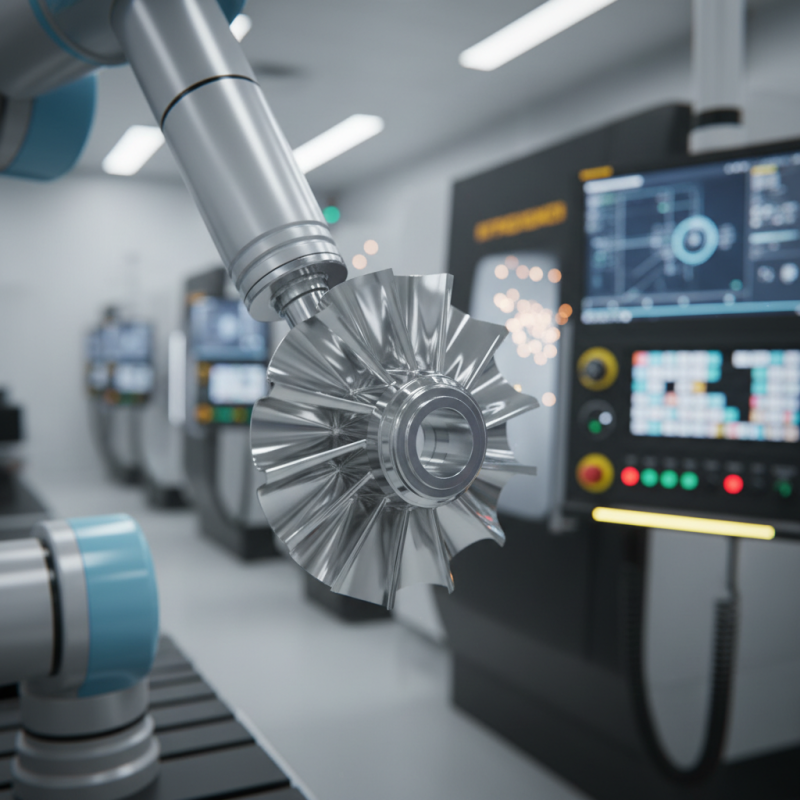
Importance of High Precision Machining in Modern Manufacturing
High precision machining plays a pivotal role in modern manufacturing. Industries such as aerospace, medical device, and automotive rely on it. These sectors require components with tight tolerances. A mere deviation can lead to failures or safety issues. Precision ensures that every piece fits perfectly, reducing the risk of mechanical malfunctions.
In today's competitive landscape, efficiency is key. High precision machining enhances production rates while maintaining quality. However, it demands skilled technicians and advanced machinery. Companies often struggle to strike a balance. Investing in high precision capabilities can be daunting yet necessary. Some businesses might hesitate, fearing high costs or complexity.
The process itself is fascinating and intricate. Machining technologies evolve rapidly, bringing new challenges. Manufacturers must adapt continuously. Mistakes in precision can be costly, both financially and reputationally. Learning from past imperfections is essential for growth. Each misstep offers insights for improvement. Embracing high precision machining is not just about technology; it's a mindset shift towards excellence.
Importance of High Precision Machining in Modern Manufacturing
Key Applications of High Precision Machining in Various Industries
High precision machining plays a crucial role across various industries. In aerospace, for instance, components demand extreme accuracy. Even a tiny error can lead to catastrophic failure. Machined parts, such as turbine blades, require precision to optimize performance. Each blade must meet specific tolerances to ensure safety and efficiency.
Another significant application is in the medical field. High precision machining is used to create surgical instruments and implants. These products must be reliable and safe for patients. A minor defect could jeopardize a surgical outcome. The need for meticulous detail in these items underscores the importance of high precision machining.
Manufacturing sectors also benefit from this technology. Automotive parts require rigorous quality standards. A poorly machined component can impact vehicle safety. Precision machining ensures that parts fit together seamlessly, reducing assembly errors. However, the challenges in maintaining such precision can lead to reflections on production processes. Continuous improvement is essential to keep up with industry demands.
Why High Precision Machining Matters for Modern Industries? - Key Applications of High Precision Machining in Various Industries
| Industry |
Application |
Precision Level (µm) |
Key Benefits |
| Aerospace |
Engine Components |
5 |
Enhanced safety and performance |
| Automotive |
Gear Systems |
10 |
Improved fuel efficiency |
| Medical |
Surgical Instruments |
1 |
High reliability in surgical procedures |
| Electronics |
Microchips |
2 |
Greater processing power and efficiency |
| Defense |
Weapon Systems |
3 |
Increased accuracy and effectiveness |
Technological Advancements Driving High Precision Machining
High precision machining is essential in today’s competitive landscape. Technological advancements play a crucial role in its evolution. According to a report from the International Organization for Standardization, precision machining can improve product quality by up to 30%. This capability is particularly critical in industries like aerospace and medical devices, where slight tolerances can determine the success of a project.
Automation and computer numerical control (CNC) technologies drive these advancements. Recent studies predict that the CNC machining market will reach $76 billion by 2025. These technologies enhance efficiency and accuracy. For example, advanced sensors can monitor machining processes in real time, ensuring consistent quality.
Tip: Regularly calibrating your machinery can significantly enhance accuracy and reduce waste.
As industries evolve, challenges remain. High precision machining often requires skilled labor, which can be hard to find. Additionally, the upfront investment in advanced machinery can be daunting. Yet, the long-term benefits—such as reduced rework and faster production times—are undeniable.
Tip: Consider training programs to address the skills gap. Investing in workforce development pays off in the end.
Challenges in Maintaining High Precision in Machining Processes
High precision machining plays a crucial role in today’s advanced industries. However, achieving and maintaining this precision comes with significant challenges. One major issue is the complexity of machine tools used in various applications. These machines require constant calibration and fine-tuning to ensure they operate within tight tolerances. Variations in temperature and humidity can also impact machining accuracy, leading to inconsistencies in produced parts.
Another challenge lies in the materials themselves. Different materials respond uniquely during the machining process, sometimes causing unexpected results. For example, harder materials may wear down tools faster, affecting precision. Operators often face difficulties in selecting the right tools, as not all are equally effective across various materials.
Finally, the human factor cannot be overlooked. Operators must possess a deep understanding of both the machinery and the materials. Unfortunately, even experienced machinists can encounter human errors, leading to deviations in precision. Continuous education and training programs must address these gaps, ensuring skilled personnel are equipped to manage complex machining tasks efficiently.
Future Trends and Prospects for High Precision Machining Techniques
High precision machining is evolving rapidly. Industries are adopting advanced techniques like CNC machining and additive manufacturing. These methods ensure accuracy, reduce waste, and lower costs. As industries demand tighter tolerances, high precision becomes critical.
Emerging technologies also play a vital role in shaping future machining trends. Artificial intelligence and machine learning enhance precision further. They predict potential issues, optimize processes, and minimize errors. Yet, not all companies embrace these innovations. Some are reluctant due to high initial costs or lack of technical expertise.
Sustainability is becoming a significant focus too. Companies aim to create eco-friendly products while maintaining precision. However, balancing quality with environmental responsibility presents challenges. Manufacturers must continuously adapt. They need to explore new materials and innovative processes. This creates exciting prospects but also exposes vulnerabilities in traditional practices.
FAQS
: It involves manufacturing parts with extreme accuracy. This is vital for industries like aerospace and medical.
Minor errors can lead to catastrophic failures. Components like turbine blades must meet strict tolerances.
It creates reliable surgical instruments. Even small defects can jeopardize patient safety and surgical outcomes.
Machine tools require constant calibration. Temperature and humidity variations can also affect accuracy.
Skilled operators understand complex machinery and materials. Lack of expertise can lead to human errors.
Automation enhances efficiency and accuracy. Real-time monitoring of processes ensures better quality control.
Investing in training programs can bridge the skills gap. Skilled personnel are essential for managing complex tasks.
Different materials react uniquely; harder materials may wear tools faster, impacting precision.
Regular calibration enhances accuracy and reduces waste. However, it can be overlooked during busy production times.
It leads to reduced rework and faster production times. Yet, the upfront investment can be daunting.
Conclusion
High precision machining is critical for modern industries due to its essential role in ensuring product quality and efficiency across diverse manufacturing sectors. This technique allows for the production of highly accurate components, which is vital in industries such as aerospace, automotive, and medical manufacturing. The advancements in technology, including automation and sophisticated machining tools, have significantly enhanced the capabilities of high precision machining, enabling manufacturers to meet stringent quality standards and customer demands.
However, challenges remain in maintaining high precision throughout the machining processes, necessitating continuous improvement and innovation. As industries evolve, future trends indicate a growing reliance on smart manufacturing solutions and enhanced materials, further driving the importance of high precision machining. Overall, understanding why high precision machining is critical for modern industries helps stakeholders recognize its value in achieving competitive advantages and sustaining growth.

 Cora CNC